


How exactly does the pull-out box embody both the ritual of opening and practical aesthetics within its compact size?
Release Time : 2026-03-16
In a world teeming with products, packaging is more than just a physical shell protecting the product; it's a medium for the brand's first silent dialogue with the consumer. The pull-out box, a classic yet ever-evolving packaging format, stands out from the crowd thanks to its unique opening mechanism and elegant structural design. It abandons the cumbersome traditional flip-top or adhesive designs, revealing the inner box slowly through a simple pull. This interaction itself embodies a delightful sense of ritual, as if inviting the user to unveil a carefully prepared gift.
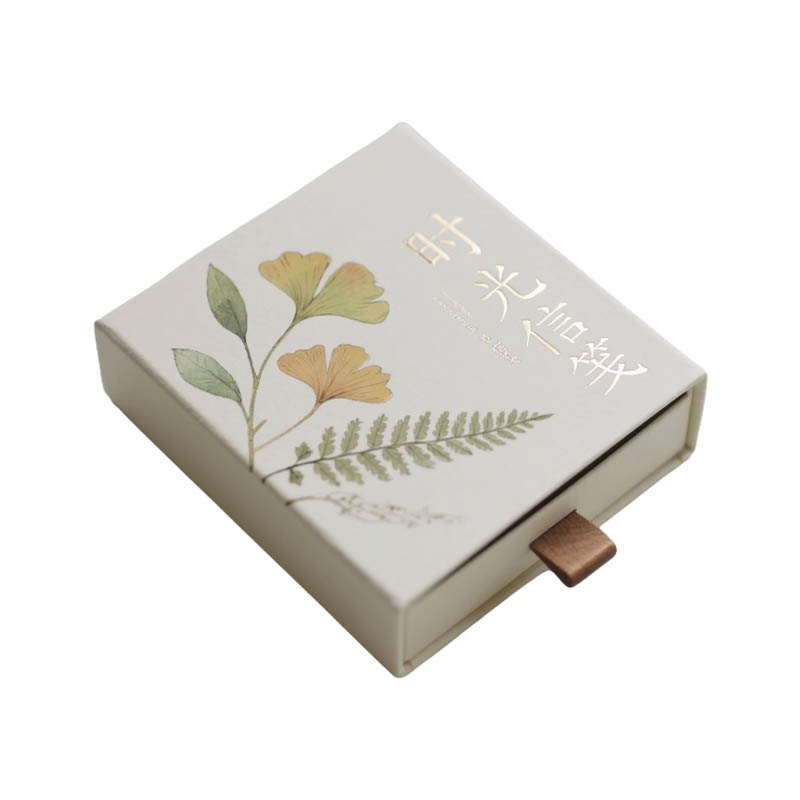
The core charm of the pull-out box lies in its ingenious structure and pure function. This packaging typically consists of an outer sheath and an inner box. The outer sheath acts as a fixed frame, enclosing and guiding the sliding trajectory of the inner box. When the user holds the edge of the inner box or gently pulls outward using the pre-set pull strap, a moderately damped sliding experience follows. This linear movement not only conforms to natural ergonomic habits but also creates a gradual sense of anticipation both visually and psychologically. As the inner box is gradually revealed, the product inside takes center stage, a process that significantly enhances the unboxing experience and elevates the delivery of ordinary goods into a delightful and interactive moment.
In terms of protection, pull-out boxes offer exceptional adaptability. Because the inner box is tightly encased in the outer sheath, the product receives comprehensive cushioning protection during transportation and storage, effectively preventing damage from dust, moisture, and accidental impacts. The structural strength of the outer sheath provides robust support for the inner box, preventing deformation under stacking pressure. Simultaneously, this fully enclosed design greatly enhances product confidentiality and anti-theft capabilities, maintaining the product's pristine condition in retail environments. For precision instruments, high-end cosmetics, jewelry, or limited-edition electronics, the sense of security offered by pull-out boxes is unparalleled by other open packaging.
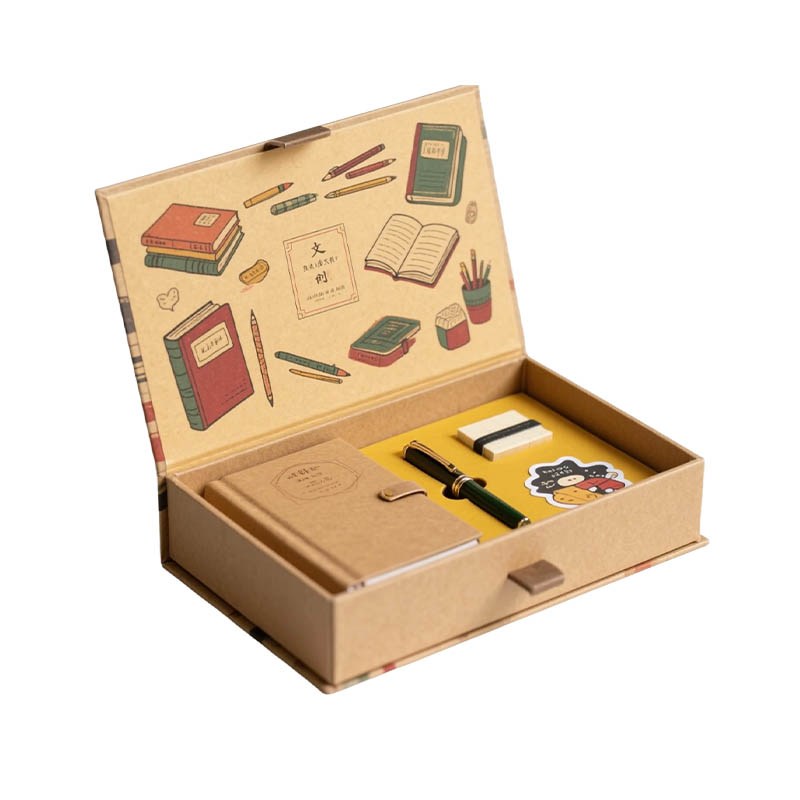
In terms of design and brand expression, pull-out boxes provide ample room for creative expression. The outer sheath can utilize various techniques such as hot stamping, embossing, and UV printing to showcase the brand's logo, slogan, and unique visual patterns, becoming a mobile billboard. The interior of the box can be customized to the product's shape, using materials like pulp molding, sponge, or flocking to secure the product, resulting in both aesthetics and stability. Designers can also incorporate mechanisms along the pull-out path, such as automatically illuminating internal lights or popping out specific promotional cards when the box is pulled a certain distance, creating an impressive multimedia interactive experience. This multi-dimensional design language transforms the pull-out box from a container into a storyteller of the brand.
Environmental sustainability is also a crucial consideration in modern pull-out box design. Traditional plastic blister packaging is often disposable and difficult to degrade, while pull-out boxes primarily use paper materials, such as grey board laminated with specialty paper or folded pure cardboard. These materials are easily recyclable and align with the trend of green packaging. By optimizing structural design, reducing glue usage, and employing a snap-lock mechanism, environmental impact can be further minimized. Many brands are starting to experiment with using recycled pulp or FSC-certified paper to create pull-out boxes, printing them with soy ink to enhance the user experience while reducing the burden on the planet. This commitment to eco-friendliness is gradually becoming an indispensable part of brand image.
Pull-out boxes have extremely wide applications, ranging from exquisite gift boxes for holidays to high-tech packaging for premium electronics, from elegant cosmetic sets to gossip gifts in the food industry—covering almost every field that needs to project quality. Their existence proves that excellent packaging design doesn't require excessive material piling up; a little attention to structure and interaction can create value beyond expectations. In today's era of consumption upgrading, consumers are no longer satisfied with just the functional attributes of products, but also seek emotional satisfaction and aesthetic experience during the purchasing process. Pull-out boxes precisely capture this psychological need, connecting products and people with a simple pull-out action, conveying warmth and respect.
In short, with its unique structural aesthetics, superior protective performance, and limitless creative possibilities, the pull-out box has become a shining jewel in modern packaging design. Within its small space, it embodies the ritual of opening, perfectly blending practical function with artistic expression. With advancements in materials science and innovation in design concepts, the pull-out box of the future will undoubtedly become more intelligent, environmentally friendly, and emotionally resonant, continuing to play an irreplaceable role in adding value to global goods, making every opening a beautiful encounter.
The core charm of the pull-out box lies in its ingenious structure and pure function. This packaging typically consists of an outer sheath and an inner box. The outer sheath acts as a fixed frame, enclosing and guiding the sliding trajectory of the inner box. When the user holds the edge of the inner box or gently pulls outward using the pre-set pull strap, a moderately damped sliding experience follows. This linear movement not only conforms to natural ergonomic habits but also creates a gradual sense of anticipation both visually and psychologically. As the inner box is gradually revealed, the product inside takes center stage, a process that significantly enhances the unboxing experience and elevates the delivery of ordinary goods into a delightful and interactive moment.
In terms of protection, pull-out boxes offer exceptional adaptability. Because the inner box is tightly encased in the outer sheath, the product receives comprehensive cushioning protection during transportation and storage, effectively preventing damage from dust, moisture, and accidental impacts. The structural strength of the outer sheath provides robust support for the inner box, preventing deformation under stacking pressure. Simultaneously, this fully enclosed design greatly enhances product confidentiality and anti-theft capabilities, maintaining the product's pristine condition in retail environments. For precision instruments, high-end cosmetics, jewelry, or limited-edition electronics, the sense of security offered by pull-out boxes is unparalleled by other open packaging.
In terms of design and brand expression, pull-out boxes provide ample room for creative expression. The outer sheath can utilize various techniques such as hot stamping, embossing, and UV printing to showcase the brand's logo, slogan, and unique visual patterns, becoming a mobile billboard. The interior of the box can be customized to the product's shape, using materials like pulp molding, sponge, or flocking to secure the product, resulting in both aesthetics and stability. Designers can also incorporate mechanisms along the pull-out path, such as automatically illuminating internal lights or popping out specific promotional cards when the box is pulled a certain distance, creating an impressive multimedia interactive experience. This multi-dimensional design language transforms the pull-out box from a container into a storyteller of the brand.
Environmental sustainability is also a crucial consideration in modern pull-out box design. Traditional plastic blister packaging is often disposable and difficult to degrade, while pull-out boxes primarily use paper materials, such as grey board laminated with specialty paper or folded pure cardboard. These materials are easily recyclable and align with the trend of green packaging. By optimizing structural design, reducing glue usage, and employing a snap-lock mechanism, environmental impact can be further minimized. Many brands are starting to experiment with using recycled pulp or FSC-certified paper to create pull-out boxes, printing them with soy ink to enhance the user experience while reducing the burden on the planet. This commitment to eco-friendliness is gradually becoming an indispensable part of brand image.
Pull-out boxes have extremely wide applications, ranging from exquisite gift boxes for holidays to high-tech packaging for premium electronics, from elegant cosmetic sets to gossip gifts in the food industry—covering almost every field that needs to project quality. Their existence proves that excellent packaging design doesn't require excessive material piling up; a little attention to structure and interaction can create value beyond expectations. In today's era of consumption upgrading, consumers are no longer satisfied with just the functional attributes of products, but also seek emotional satisfaction and aesthetic experience during the purchasing process. Pull-out boxes precisely capture this psychological need, connecting products and people with a simple pull-out action, conveying warmth and respect.
In short, with its unique structural aesthetics, superior protective performance, and limitless creative possibilities, the pull-out box has become a shining jewel in modern packaging design. Within its small space, it embodies the ritual of opening, perfectly blending practical function with artistic expression. With advancements in materials science and innovation in design concepts, the pull-out box of the future will undoubtedly become more intelligent, environmentally friendly, and emotionally resonant, continuing to play an irreplaceable role in adding value to global goods, making every opening a beautiful encounter.