


How does the telescopic box solve the packaging challenge for products of varying heights?
Release Time : 2025-12-30
In product packaging design, whether it's serums and creams in a cosmetics line, chargers and data cables in electronic accessories, or a variety of items in a holiday gift box, traditional fixed-size boxes often face the awkward situation of "tall items not fitting, short items wobbling and empty." The telescopic box—an innovative packaging structure with an adjustable internal height—offers an elegant and efficient solution to this problem through ingenious mechanical logic and human-centered design.
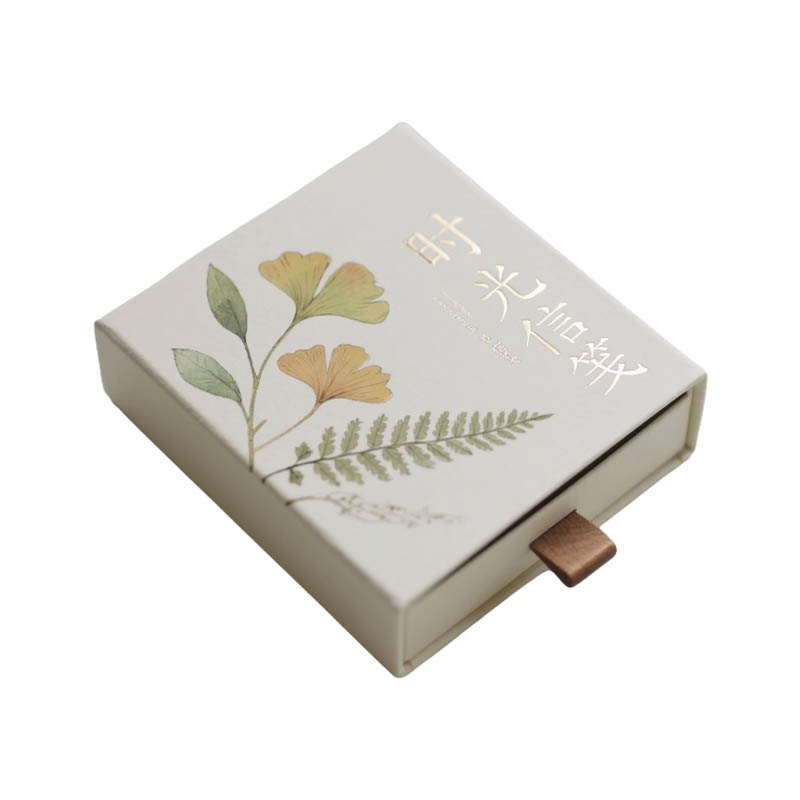
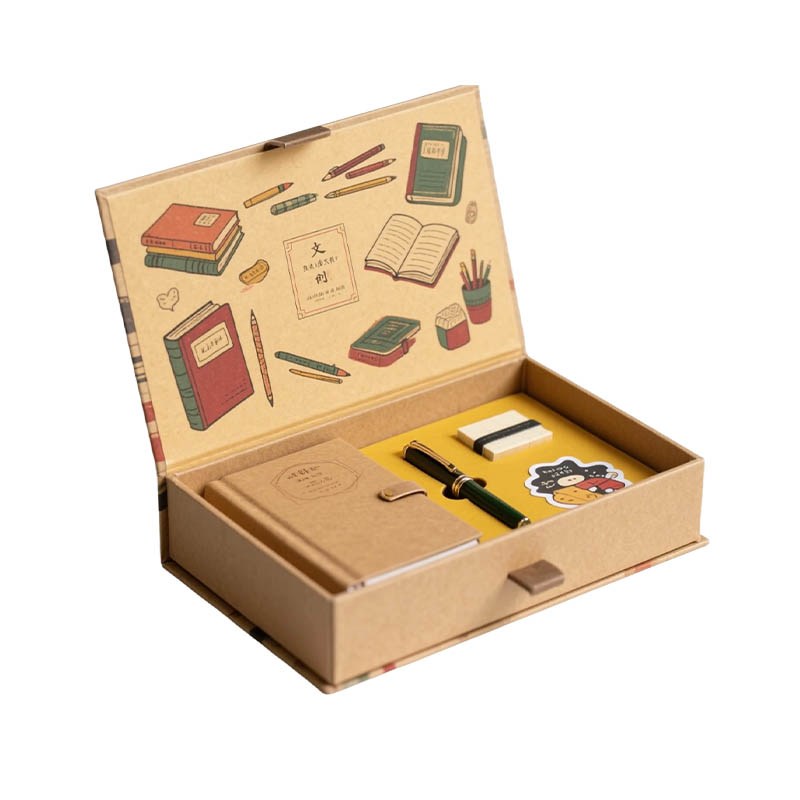
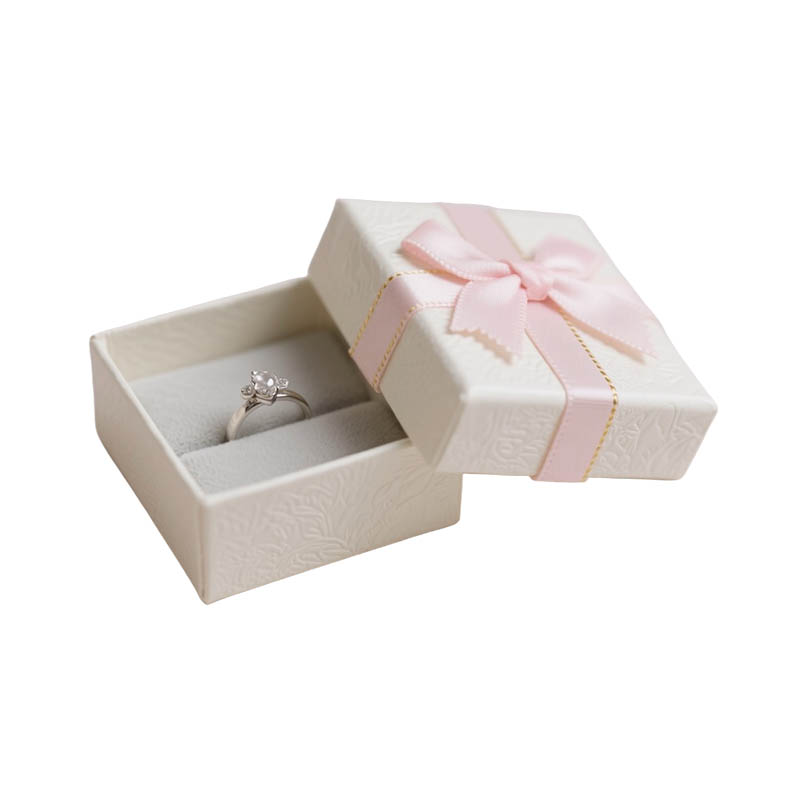
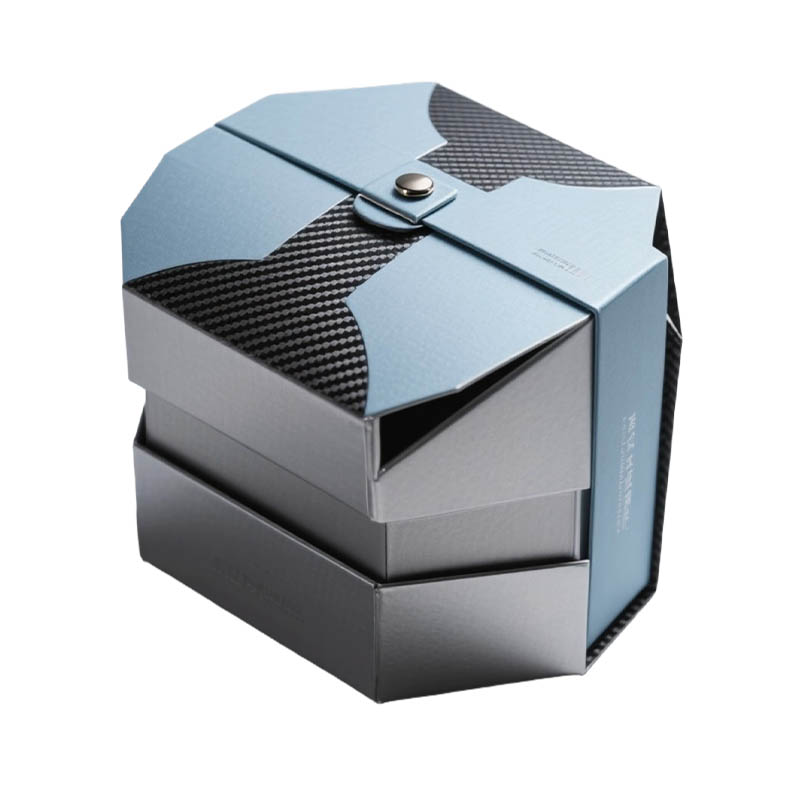
The core of the telescopic box lies in its double- or multi-layered nesting structure. It typically consists of an outer box and an inner cylinder (or upper and lower parts), achieving free height adjustment through sliding, nesting, or locking mechanisms. When a shorter product is placed inside, the inner cylinder can be pressed down to fit the top of the item; when facing a taller product, it stretches to a fully expanded state, forming a tight wrap. This ability to "adapt to the shape of the item" not only eliminates excess internal space but also avoids the need for additional fillers, ensuring the product remains stable during transportation and display, preventing wear or displacement caused by shaking. More importantly, the telescopic structure achieves a dual improvement in packaging efficiency and user experience. For brands, there's no need to create separate molds and boxes for different sizes of products within the same series, significantly reducing mold costs and inventory pressure. One telescopic box can cover multiple SKUs, simplifying supply chain management, and is especially suitable for rapidly iterating new consumer brands or limited-edition collaborations. For consumers, the unboxing process itself becomes an interactive ritual—a gentle push or pull causes the box to unfold like a flower, elegantly revealing the product, enhancing the fun of unpacking and reinforcing the brand's sense of refinement and attention to detail.
Furthermore, telescopic boxes have a natural advantage in terms of environmental protection and sustainability. Because their structure adapts to product volume, they reduce reliance on single-use filler materials such as foam, paper balls, and plastic dividers. Many telescopic boxes are also made from a single material (such as an all-paper structure), facilitating recycling. Some designs also support multiple opening and closing, allowing users to restore the box after initial use for storing jewelry, stationery, or travel essentials, extending the packaging's lifespan and transforming it from a "disposable container" into a "sustainable companion."
From an aesthetic perspective, the telescopic box breaks down the static boundaries of traditional packaging. Its smooth, flowing lines and layered design imbue the packaging with dynamic beauty; the surface can be treated with high-end processes such as hot stamping, embossing, and spot UV coating, maintaining visual integrity even when shrunk. When displayed on shelves or given as gifts, the unified visual language strengthens brand recognition, while the internal flexibility subtly meets functional needs—truly achieving "simplicity on the outside, intelligence on the inside."
On a deeper level, the telescopic box represents a user- and product-centric design philosophy. It doesn't force products to conform to packaging, but rather allows packaging to proactively embrace the product. This respect for difference and acceptance of change resonates with the contemporary consumer market's demand for personalization and diversity.
Ultimately, the telescopic box solves not only the physical problem of varying heights, but also bridges the gap between standardization and customization. With simple mechanical wisdom, it resolves the complex contradictions in packaging design, allowing efficiency, experience, and responsibility to coexist. When a retractable gift box slowly rises in your hand, revealing a carefully placed gift—at that moment, the packaging is no longer a silent container, but a silent language conveying sentiment and quality. True innovation often lies hidden in this perfect balance of "expansion" and "retraction."
The core of the telescopic box lies in its double- or multi-layered nesting structure. It typically consists of an outer box and an inner cylinder (or upper and lower parts), achieving free height adjustment through sliding, nesting, or locking mechanisms. When a shorter product is placed inside, the inner cylinder can be pressed down to fit the top of the item; when facing a taller product, it stretches to a fully expanded state, forming a tight wrap. This ability to "adapt to the shape of the item" not only eliminates excess internal space but also avoids the need for additional fillers, ensuring the product remains stable during transportation and display, preventing wear or displacement caused by shaking. More importantly, the telescopic structure achieves a dual improvement in packaging efficiency and user experience. For brands, there's no need to create separate molds and boxes for different sizes of products within the same series, significantly reducing mold costs and inventory pressure. One telescopic box can cover multiple SKUs, simplifying supply chain management, and is especially suitable for rapidly iterating new consumer brands or limited-edition collaborations. For consumers, the unboxing process itself becomes an interactive ritual—a gentle push or pull causes the box to unfold like a flower, elegantly revealing the product, enhancing the fun of unpacking and reinforcing the brand's sense of refinement and attention to detail.
Furthermore, telescopic boxes have a natural advantage in terms of environmental protection and sustainability. Because their structure adapts to product volume, they reduce reliance on single-use filler materials such as foam, paper balls, and plastic dividers. Many telescopic boxes are also made from a single material (such as an all-paper structure), facilitating recycling. Some designs also support multiple opening and closing, allowing users to restore the box after initial use for storing jewelry, stationery, or travel essentials, extending the packaging's lifespan and transforming it from a "disposable container" into a "sustainable companion."
From an aesthetic perspective, the telescopic box breaks down the static boundaries of traditional packaging. Its smooth, flowing lines and layered design imbue the packaging with dynamic beauty; the surface can be treated with high-end processes such as hot stamping, embossing, and spot UV coating, maintaining visual integrity even when shrunk. When displayed on shelves or given as gifts, the unified visual language strengthens brand recognition, while the internal flexibility subtly meets functional needs—truly achieving "simplicity on the outside, intelligence on the inside."
On a deeper level, the telescopic box represents a user- and product-centric design philosophy. It doesn't force products to conform to packaging, but rather allows packaging to proactively embrace the product. This respect for difference and acceptance of change resonates with the contemporary consumer market's demand for personalization and diversity.
Ultimately, the telescopic box solves not only the physical problem of varying heights, but also bridges the gap between standardization and customization. With simple mechanical wisdom, it resolves the complex contradictions in packaging design, allowing efficiency, experience, and responsibility to coexist. When a retractable gift box slowly rises in your hand, revealing a carefully placed gift—at that moment, the packaging is no longer a silent container, but a silent language conveying sentiment and quality. True innovation often lies hidden in this perfect balance of "expansion" and "retraction."