


Can premium special-shaped boxes embody brand value and enhance user experience through unique designs?
Release Time : 2026-01-22
In a fiercely competitive consumer market, the product itself is no longer the sole focus for attracting users. As functions become increasingly homogenized, packaging becomes a crucial medium for brands to express their individuality, convey emotions, and create memorable experiences. Premium special-shaped boxes—breaking away from traditional square shapes and featuring high-end packaging with curves, bevels, nested structures, or biomimetic contours—are redefining the unboxing experience with their strong visual recognition and interactive ritual. They are not merely containers, but miniature works of art, a silent brand narrative.
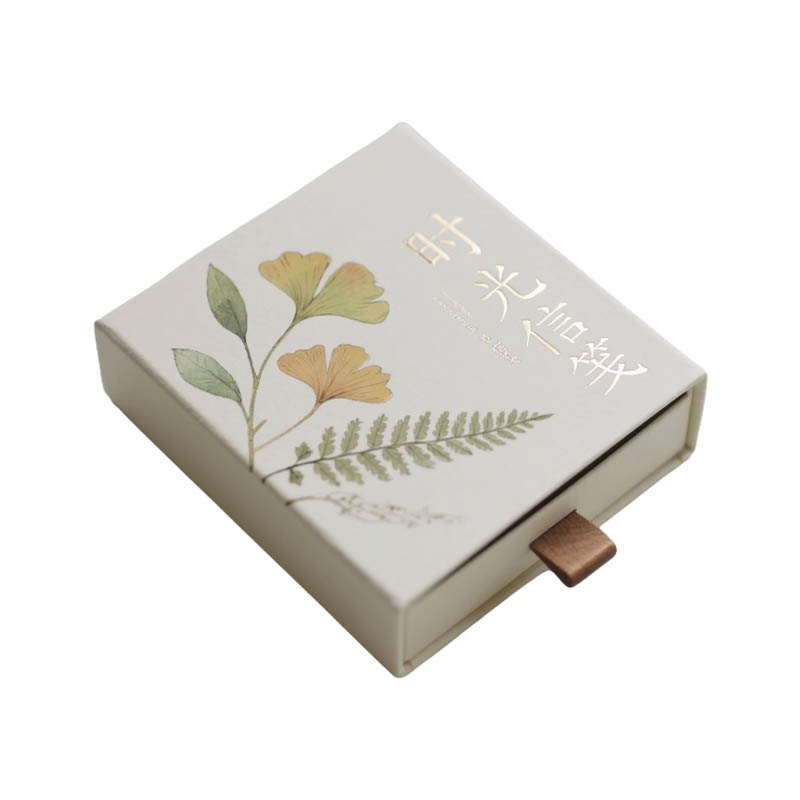
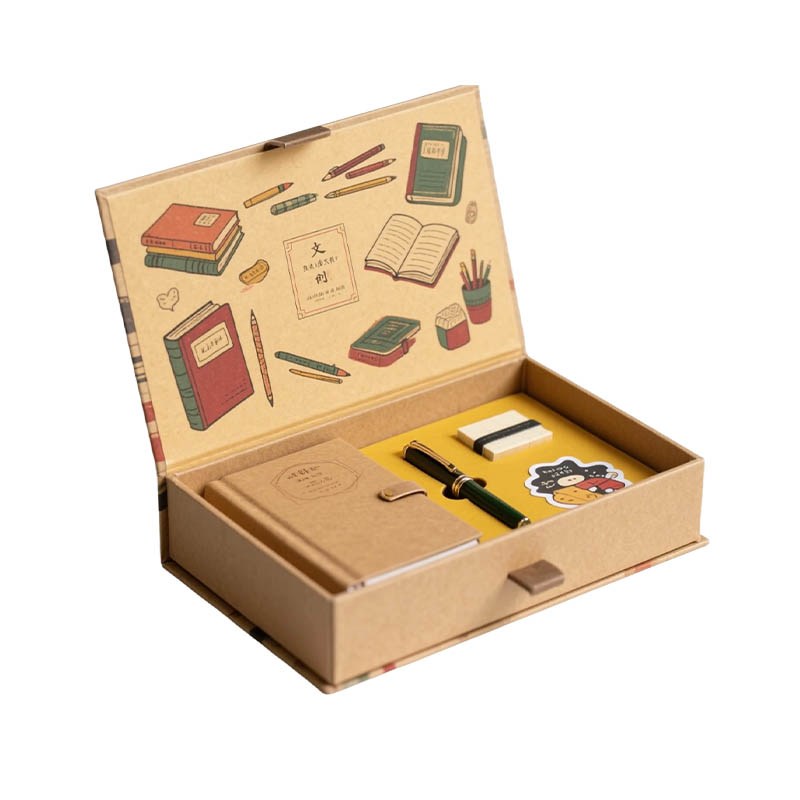
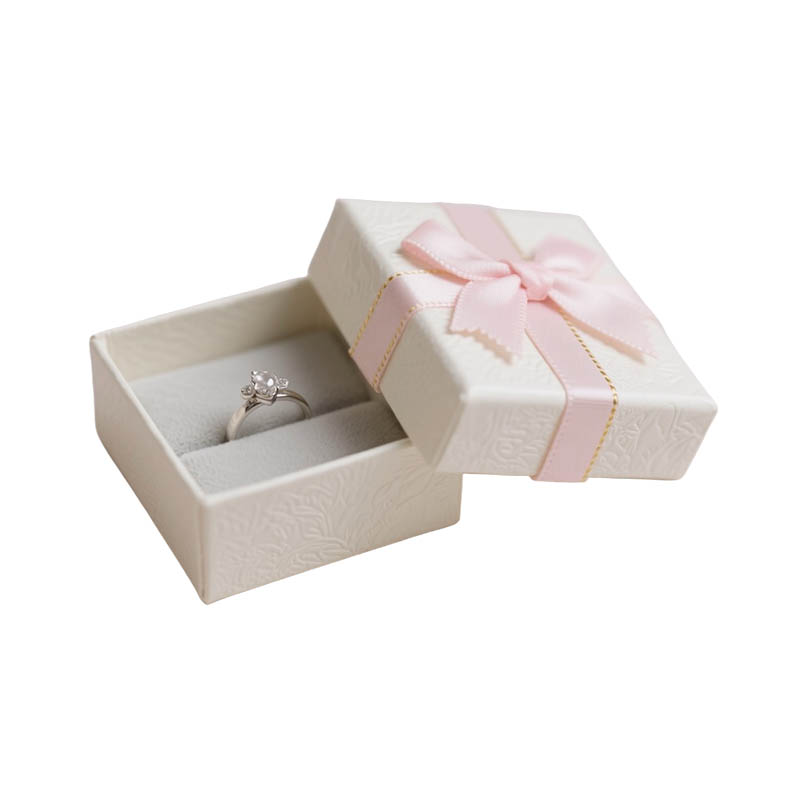
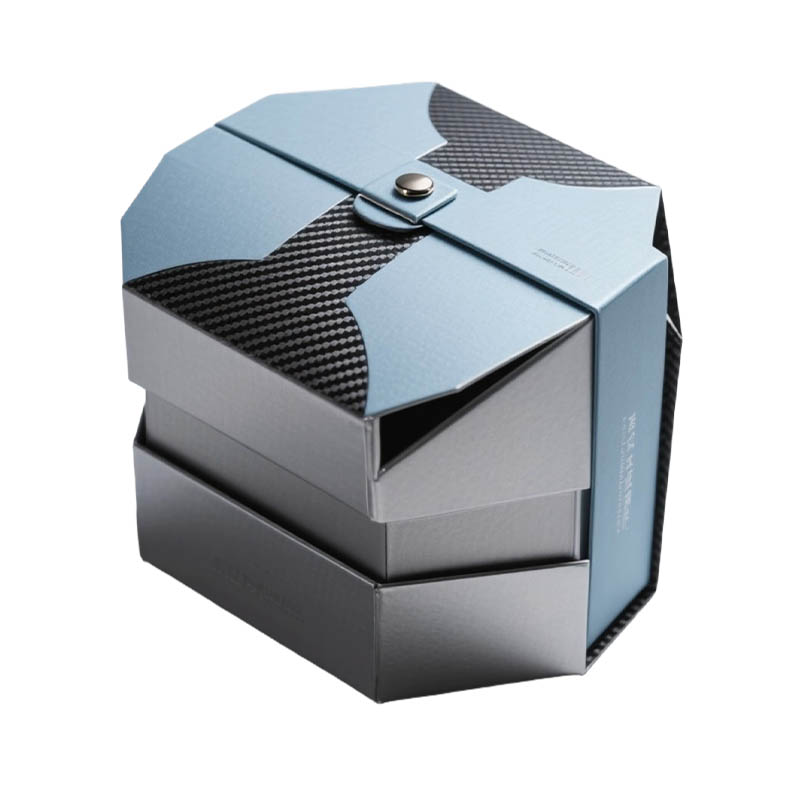
The allure of premium special-shaped boxes stems first and foremost from their creative mastery of space and form. Through precise structural design and die-cutting processes, cardboard is imbued with a sculptural three-dimensional language: the inner tray rises slowly when opened like a jewelry box, the layers unfold like a book revealing multiple contents, or the streamlined shape mimics natural objects, making them unforgettable at first glance. This non-standardized construction not only breaks the visual inertia of the shelf but also ignites a desire for exploration the moment consumers touch them. Each opening and closing becomes a miniature ritual, extending the interaction time between the user and the product and strengthening the emotional connection.
More importantly, the unique shape is not merely a matter of form, but a high degree of unity between function and aesthetics. Linings and dividers are custom-designed to fit the product's contours, ensuring the stability of valuable items during transport; concealed magnetic closures, snaps, or drawer mechanisms balance sealing and convenience; surface materials can combine specialty paper, hot stamping, embossing, ribbons, and other techniques to create rich tactile layers. Even in the logistics process, special-shaped boxes ensure transport stability through reasonable stacking design and reinforced structures, avoiding sacrificing practicality for their unique shape.
At the brand strategy level, premium special-shaped boxes are a silent declaration of high-end positioning. They convey to consumers the message "This is extraordinary"—the willingness to invest such craftsmanship in packaging demonstrates the high regard for the product itself. Luxury goods, high-end tea and wine, cultural and creative gifts, and limited-edition cosmetics particularly favor this type of packaging, as it effectively enhances the product's perceived value and becomes a spontaneously spread visual symbol in the social media age. A stunning box often wins first impressions even before its contents are revealed.
Furthermore, sustainability is subtly integrated into the design DNA of modern special-shaped boxes. Many brands, while pursuing unique shapes, use FSC-certified paper, water-based inks, and biodegradable materials, even designing reusable structures—such as storage boxes, picture frames, or desktop ornaments—extending the packaging's lifespan and reducing resource waste. This philosophy of "beauty without extravagance, uniqueness with restraint" allows creativity and responsibility to go hand in hand.
Ultimately, the value of exquisite special-shaped boxes lies not in their complexity, but in whether the process of opening them becomes a moment to look forward to. When the user carefully lifts the lid, their fingertips tracing the delicate texture, their gaze following the ingenious mechanism as it slowly unfolds, the pleasure and respect experienced at that moment transcends the material itself. Because in the experience economy, true luxury is not the accumulation of materials, but the pausing of time—and a good box can precisely slow down time.
The allure of premium special-shaped boxes stems first and foremost from their creative mastery of space and form. Through precise structural design and die-cutting processes, cardboard is imbued with a sculptural three-dimensional language: the inner tray rises slowly when opened like a jewelry box, the layers unfold like a book revealing multiple contents, or the streamlined shape mimics natural objects, making them unforgettable at first glance. This non-standardized construction not only breaks the visual inertia of the shelf but also ignites a desire for exploration the moment consumers touch them. Each opening and closing becomes a miniature ritual, extending the interaction time between the user and the product and strengthening the emotional connection.
More importantly, the unique shape is not merely a matter of form, but a high degree of unity between function and aesthetics. Linings and dividers are custom-designed to fit the product's contours, ensuring the stability of valuable items during transport; concealed magnetic closures, snaps, or drawer mechanisms balance sealing and convenience; surface materials can combine specialty paper, hot stamping, embossing, ribbons, and other techniques to create rich tactile layers. Even in the logistics process, special-shaped boxes ensure transport stability through reasonable stacking design and reinforced structures, avoiding sacrificing practicality for their unique shape.
At the brand strategy level, premium special-shaped boxes are a silent declaration of high-end positioning. They convey to consumers the message "This is extraordinary"—the willingness to invest such craftsmanship in packaging demonstrates the high regard for the product itself. Luxury goods, high-end tea and wine, cultural and creative gifts, and limited-edition cosmetics particularly favor this type of packaging, as it effectively enhances the product's perceived value and becomes a spontaneously spread visual symbol in the social media age. A stunning box often wins first impressions even before its contents are revealed.
Furthermore, sustainability is subtly integrated into the design DNA of modern special-shaped boxes. Many brands, while pursuing unique shapes, use FSC-certified paper, water-based inks, and biodegradable materials, even designing reusable structures—such as storage boxes, picture frames, or desktop ornaments—extending the packaging's lifespan and reducing resource waste. This philosophy of "beauty without extravagance, uniqueness with restraint" allows creativity and responsibility to go hand in hand.
Ultimately, the value of exquisite special-shaped boxes lies not in their complexity, but in whether the process of opening them becomes a moment to look forward to. When the user carefully lifts the lid, their fingertips tracing the delicate texture, their gaze following the ingenious mechanism as it slowly unfolds, the pleasure and respect experienced at that moment transcends the material itself. Because in the experience economy, true luxury is not the accumulation of materials, but the pausing of time—and a good box can precisely slow down time.