


How can the opening structure design of boutique special-shaped boxes improve user experience and reuse rate?
Release Time : 2026-02-10
The opening mechanism design of boutique special-shaped boxes is a core element connecting product functionality and user experience. Its design logic must revolve around three dimensions: convenience, fun, and durability. Through structural innovation and detail optimization, it aims to satisfy the user's initial surprise while extending the reuse cycle by lowering the operational threshold and improving structural stability. This process requires integrating ergonomics, materials mechanics, and user behavior psychology to imbue the opening action with a sense of ritual and emotional value, ensuring packaging protection.
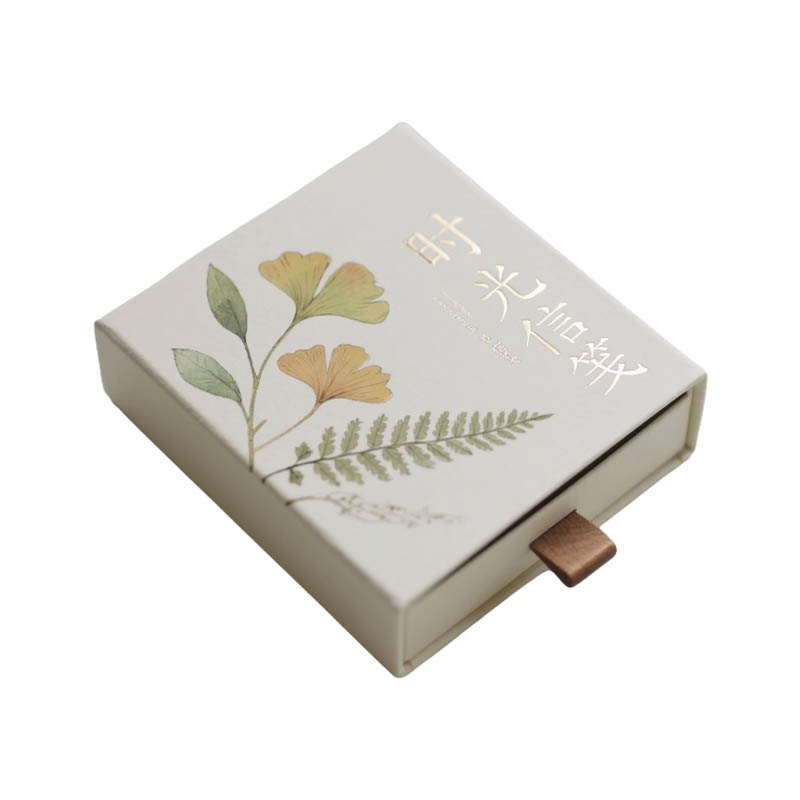
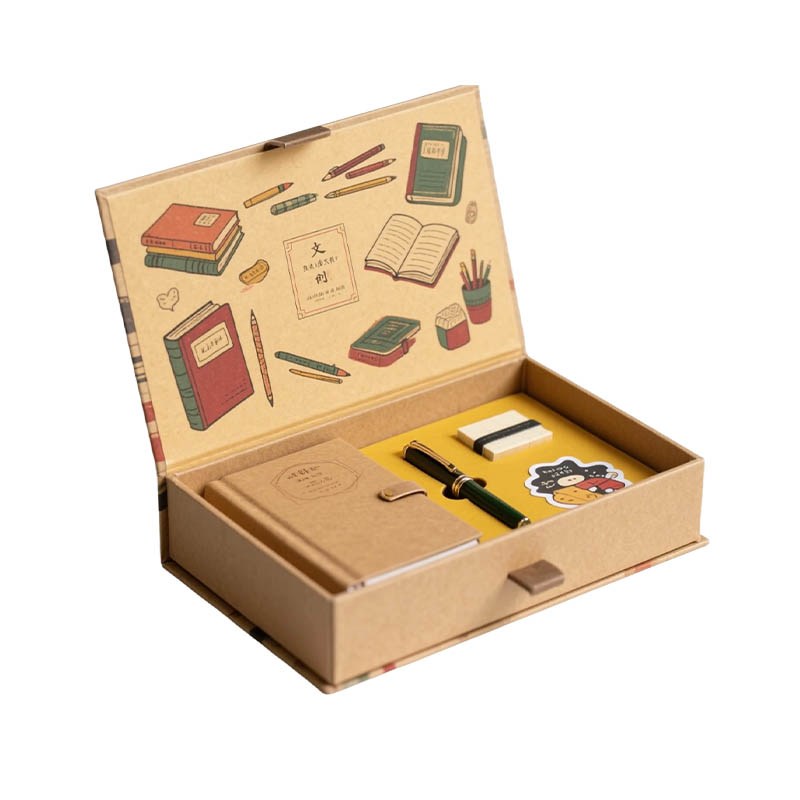
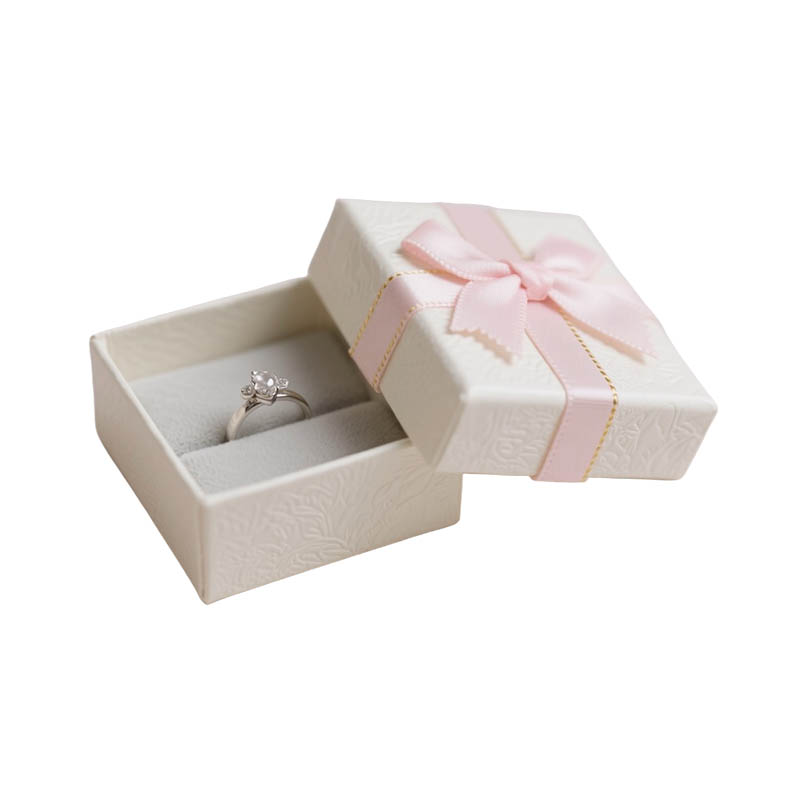
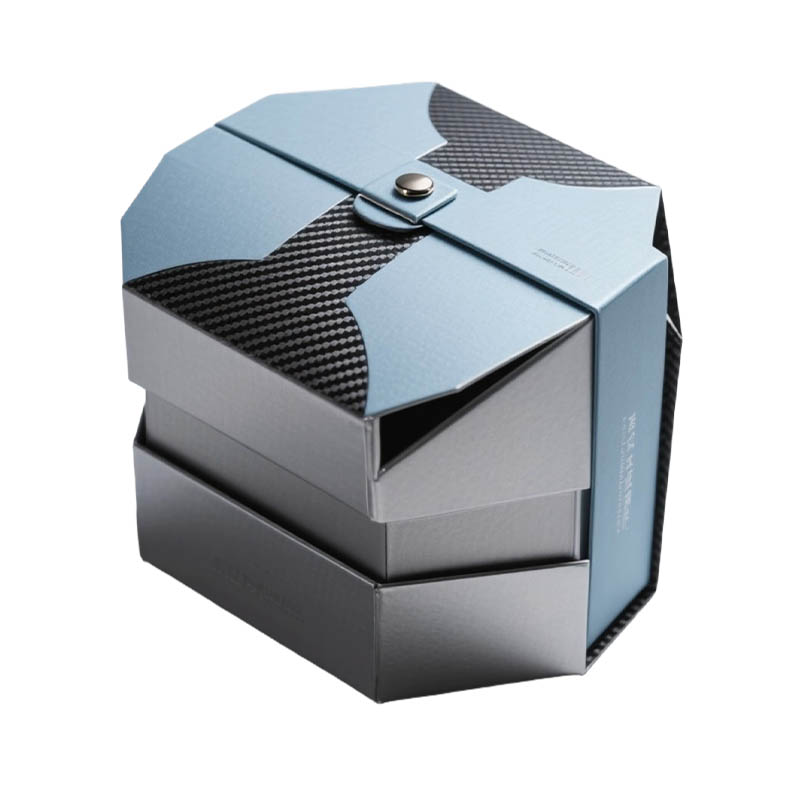
The convenience of the opening mechanism is fundamental to the user experience. While traditional square boxes with their straight-insert or flip-top opening methods are simple, they lack a differentiated experience. Boutique special-shaped boxes often employ innovative structures such as "hidden snaps," "magnetic adsorption," or "rotation unlocking" to reduce opening resistance while maintaining a tight seal. For example, when using an embedded magnetic structure, the magnetic strength and distribution of the magnets must be precisely calculated to ensure that the user can easily separate the box with one hand, while avoiding accidental opening by children or difficulty for the elderly due to excessive magnetic force. Furthermore, the slightly curved guide grooves on the edge of the lid guide the user's fingers to apply pressure naturally, reducing the time spent fumbling and improving the smoothness of first-time use.
Fun is key to enhancing user recall and sharing. The unique shape of boutique special-shaped boxes provides space for structural innovation. Designers often combine the opening action with the product theme to create an "immersive unboxing experience." For example, irregularly shaped boxes designed for children's toys might use a "puzzle-like opening"—the lid is composed of multiple detachable geometric modules, which users must rotate or slide to unlock, thus exercising their fine motor skills and extending interaction time. Irregularly shaped boxes designed for high-end gifts might incorporate "mechanical structures," such as the box automatically popping open after pressing a hidden button, or triggering a chain reaction by pulling a ribbon, making the opening process dramatic. This "gamified" design can stimulate users' curiosity, prompting them to actively record and share the unboxing process, generating word-of-mouth marketing.
Durability is crucial for ensuring reusability. The complex structure of boutique special-shaped boxes requires higher material strength and processing precision. If the opening parts are prone to wear or deformation, it will directly affect the user experience. For example, irregularly shaped boxes using snap-fit structures require high-toughness plastics (such as ABS or PC), and injection molding processes must ensure the dimensional accuracy of the snaps to prevent loose closures or breakage after frequent opening and closing due to excessive tolerances. Magnetic structures require corrosion-resistant treatment of the magnets to prevent magnetic attenuation over time. Furthermore, adding reinforcing ribs or metal inserts to key connection points (such as hinges and slide rails) can improve structural fatigue resistance, ensuring the box maintains its initial tightness and smoothness after repeated opening and closing.
Ergonomics is crucial in the design of opening mechanisms. Designers need to consider the physiological characteristics and usage habits of different user groups and optimize operational details. For example, irregularly shaped boxes designed for elderly users should avoid small buttons or complex gestures, instead using large pull rings or push-pull structures to reduce the required operating force. When designing for left-handed users, the opening direction can be changed to bidirectional operation to avoid the inconvenience caused by a fixed direction. In addition, adding anti-slip textures or raised markings to the box surface can help users quickly locate the opening parts, improving operational accuracy, especially in low-light or wet hand environments. Emotional design deepens the connection between users and products. By incorporating brand elements or cultural symbols into the opening structure, packaging can be imbued with meaning beyond its function. For example, an irregularly shaped box designed for traditional handicrafts might use a mortise and tenon structure, requiring users to simulate the traditional woodworking process through rotation, pushing, and pulling, experiencing cultural heritage while opening the packaging. An irregularly shaped box designed for technological products might use a streamlined sliding lid structure, combined with lighting effects, creating a futuristic and ritualistic feel. This "structural narrative" allows users to establish a value identification with the brand from the moment they open the box, increasing the emotional motivation for repeated use.
Modular design enables the long-term use of irregularly shaped boxes. By separating the opening structure from the main body of the box, users can replace parts individually after damage, extending the packaging's lifespan. For example, with an irregularly shaped box using a detachable magnetic lid, if the magnet fails or the lid deforms, users can purchase a replacement lid themselves without discarding the entire package. Modular design also allows users to modify the packaging function according to their needs, such as converting a gift box into a storage box, expanding functionality by adjusting internal compartments or adding accessories, further enhancing its reusability.
From a business perspective, excellent opening structure design can reduce return rates and increase repurchase rates. Negative experiences caused by difficulties opening the box or damaged packaging can directly lead to a decline in user trust in the product or brand. Optimizing the opening structure to improve the user experience not only reduces after-sales disputes caused by packaging issues but also strengthens users' perception of product quality through the "unboxing ritual," encouraging them to pay a premium for premium packaging and even proactively repurchase similar products because of the packaging design. This cycle of "structure driving experience, and experience feeding back into the brand" is precisely the core value of boutique special-shaped boxes design.