


How do pull-out boxes adapt to the display needs of different product categories?
Release Time : 2026-02-05
In the era of consumption upgrading and the experience economy, product packaging has evolved from a simple protective container into an important medium for brand narrative, emotional connection, and value transmission. With its elegant opening mechanism, stable structure, and highly customizable internal layout, the pull-out box has become a favored display medium for many product categories, including high-end cosmetics, jewelry, electronics, tea, and even medical devices. Its core advantage lies in its ability to precisely match the functional attributes, aesthetic style, and user expectations of different products through flexible adjustments to modular linings, material combinations, and interactive designs, achieving a personalized presentation tailored to each product.
1. Flexible Structure: Perfect Support for Everything from Precision Electronics to Delicate Jewelry
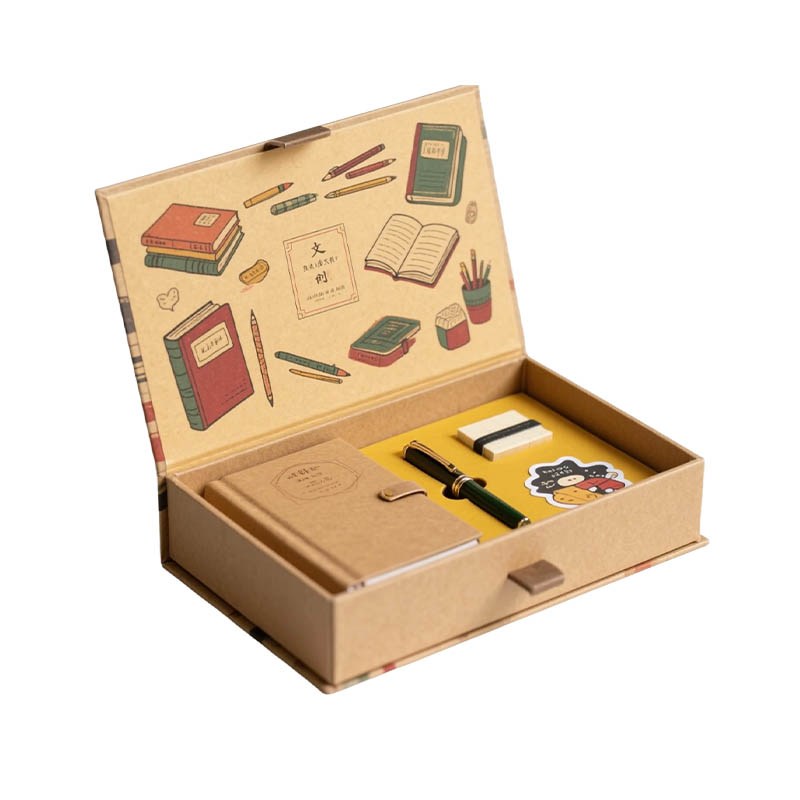
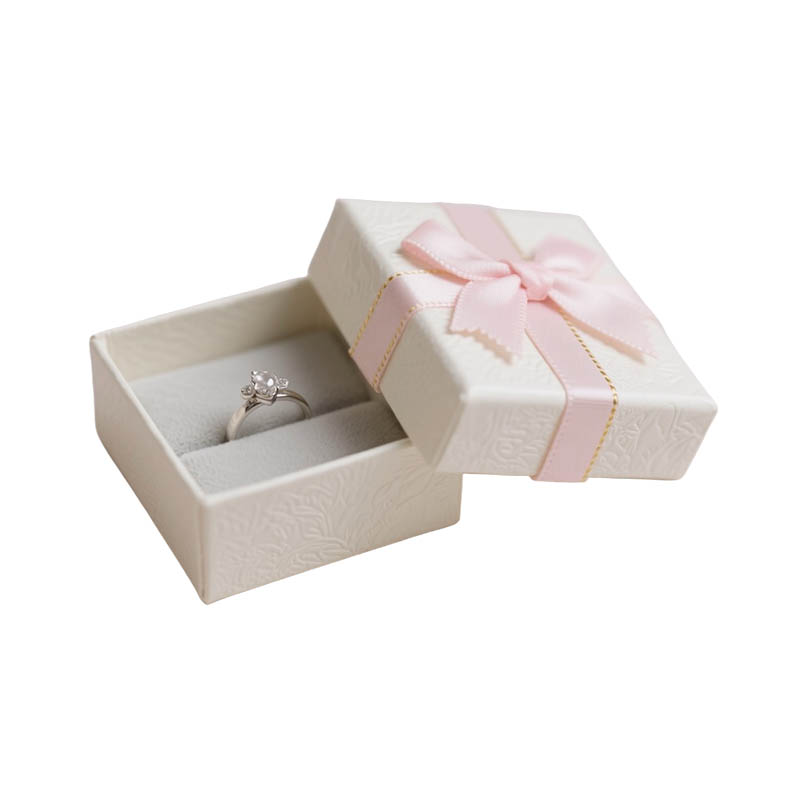
The basic structure of a pull-out box consists of an outer box and an inner box. This separate design provides great flexibility for the internal space. For 3C products such as smartphones and wireless earphones, the inner box is often made of high-density EVA or flocked molded pulp, with precise slots to secure the main unit, charging cable, and instruction manual, ensuring safe transportation. A layered layout also creates a sense of "technological ritual." For diamond rings or watches, microfiber velvet linings are used, along with magnetic positioning or rotating displays, making the product appear like a museum exhibit when pulled out, enhancing its preciousness. In the high-end tea or health product sector, the inner box is divided into multiple independent compartments, preventing odor mixing and facilitating precise portion control, balancing practicality and presentability as a gift.
2. Material Mix and Match: Conveying the Category's Unique Sensory Language
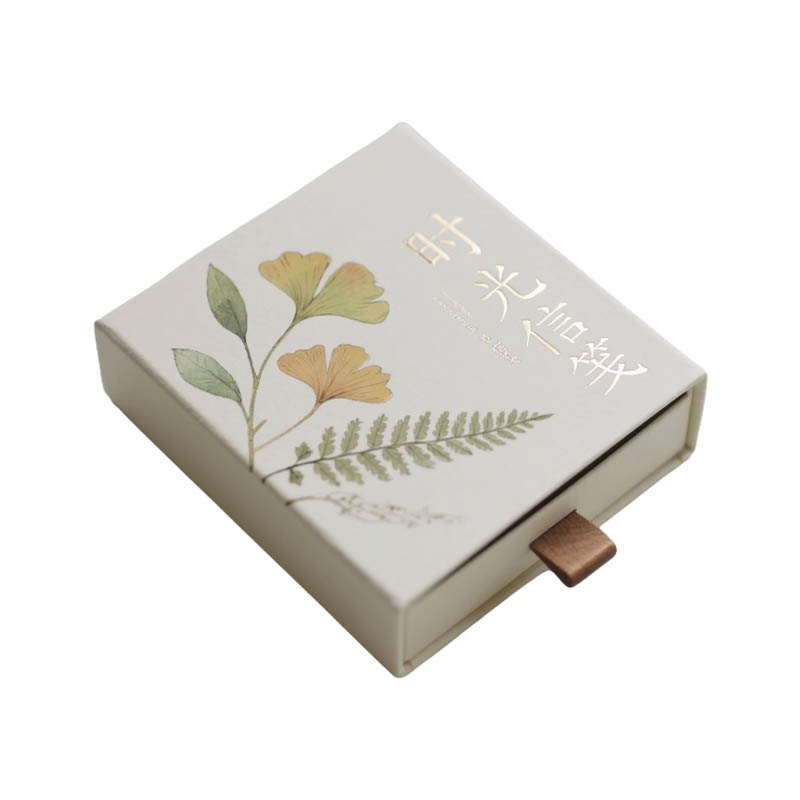
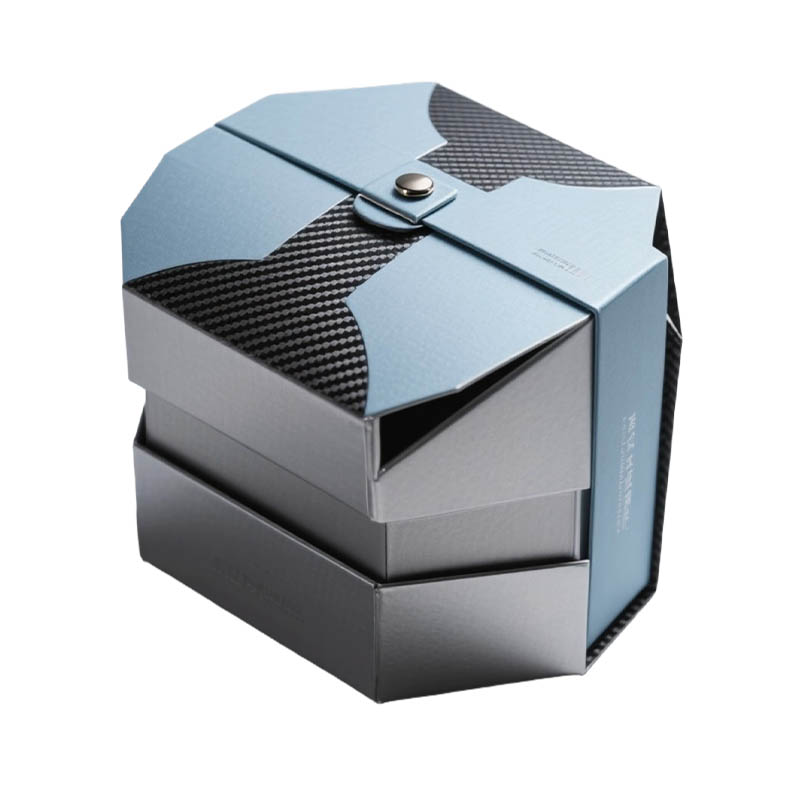
Different product categories have drastically different requirements for tactile and visual textures, and pull-out boxes respond precisely through material combinations. Cosmetic brands often use pearlescent art paper with gold foil stamping, paired with ribbon handles, to convey softness and luxury; luxury watches prefer solid wood outer boxes with genuine leather upholstery, paired with metal sliding rails, highlighting weight and heritage; while trendy toys or headphone products targeting young consumers boldly use recycled cardboard with matte UV finish and contrasting color linings, emphasizing environmental protection and individuality. Even the feel of the sliding rails is carefully tuned—jewelry boxes aim for a silent and smooth feel like silk, while tool products tend to have a slightly damped "solid feel" to match user expectations.
3. Interactive Narrative: An Immersive Brand Journey Upon Unboxing
The act of pulling out the box itself has a natural "theater effect." Designers cleverly utilize this process to embed the brand story: when users slowly pull out the inner box, the first thing they see may be a stamped proverb, a product traceability QR code, or a hidden magnetic card slot; continuing to pull out reveals the main product in its entirety, accompanied by accessories, a warranty card, or a handwritten thank-you card. For example, a high-end skincare brand embeds fragrance chips at the bottom of the drawer, releasing a customized scent upon opening the box; a smart speaker integrates an NFC chip into the side wall of its inner box, automatically redirecting to the settings page when a phone is brought near. This phased, multi-sensory interactive design elevates the functional unboxing experience to an emotional one, significantly enhancing user recall and social sharing.
4. Sustainable Adaptability: Green Concepts Integrated into Diverse Categories
Faced with environmental trends, pull-out packaging flexibly adapts; electronic product liners are now made with sugarcane bagasse molding instead of plastic; luxury goods are exploring reusable rigid drawer boxes, encouraging consumers to use them as storage boxes for the long term. This "category-customized environmental solution" not only meets regulatory requirements but also strengthens the brand's image of responsibility.
The reason pull-out boxes can span multiple fields such as jewelry, technology, beauty, and food lies in their "simple yet rich" design philosophy—a unified external structure with a myriad of internal logics. Like a silent curator, it tailors lighting, display stands, and traffic flow according to the characteristics of the exhibits, making each opening a carefully choreographed encounter. In an era of scarce attention, this precise and tailored presentation is the key silent language for brands to stand out.
1. Flexible Structure: Perfect Support for Everything from Precision Electronics to Delicate Jewelry
The basic structure of a pull-out box consists of an outer box and an inner box. This separate design provides great flexibility for the internal space. For 3C products such as smartphones and wireless earphones, the inner box is often made of high-density EVA or flocked molded pulp, with precise slots to secure the main unit, charging cable, and instruction manual, ensuring safe transportation. A layered layout also creates a sense of "technological ritual." For diamond rings or watches, microfiber velvet linings are used, along with magnetic positioning or rotating displays, making the product appear like a museum exhibit when pulled out, enhancing its preciousness. In the high-end tea or health product sector, the inner box is divided into multiple independent compartments, preventing odor mixing and facilitating precise portion control, balancing practicality and presentability as a gift.
2. Material Mix and Match: Conveying the Category's Unique Sensory Language
Different product categories have drastically different requirements for tactile and visual textures, and pull-out boxes respond precisely through material combinations. Cosmetic brands often use pearlescent art paper with gold foil stamping, paired with ribbon handles, to convey softness and luxury; luxury watches prefer solid wood outer boxes with genuine leather upholstery, paired with metal sliding rails, highlighting weight and heritage; while trendy toys or headphone products targeting young consumers boldly use recycled cardboard with matte UV finish and contrasting color linings, emphasizing environmental protection and individuality. Even the feel of the sliding rails is carefully tuned—jewelry boxes aim for a silent and smooth feel like silk, while tool products tend to have a slightly damped "solid feel" to match user expectations.
3. Interactive Narrative: An Immersive Brand Journey Upon Unboxing
The act of pulling out the box itself has a natural "theater effect." Designers cleverly utilize this process to embed the brand story: when users slowly pull out the inner box, the first thing they see may be a stamped proverb, a product traceability QR code, or a hidden magnetic card slot; continuing to pull out reveals the main product in its entirety, accompanied by accessories, a warranty card, or a handwritten thank-you card. For example, a high-end skincare brand embeds fragrance chips at the bottom of the drawer, releasing a customized scent upon opening the box; a smart speaker integrates an NFC chip into the side wall of its inner box, automatically redirecting to the settings page when a phone is brought near. This phased, multi-sensory interactive design elevates the functional unboxing experience to an emotional one, significantly enhancing user recall and social sharing.
4. Sustainable Adaptability: Green Concepts Integrated into Diverse Categories
Faced with environmental trends, pull-out packaging flexibly adapts; electronic product liners are now made with sugarcane bagasse molding instead of plastic; luxury goods are exploring reusable rigid drawer boxes, encouraging consumers to use them as storage boxes for the long term. This "category-customized environmental solution" not only meets regulatory requirements but also strengthens the brand's image of responsibility.
The reason pull-out boxes can span multiple fields such as jewelry, technology, beauty, and food lies in their "simple yet rich" design philosophy—a unified external structure with a myriad of internal logics. Like a silent curator, it tailors lighting, display stands, and traffic flow according to the characteristics of the exhibits, making each opening a carefully choreographed encounter. In an era of scarce attention, this precise and tailored presentation is the key silent language for brands to stand out.